For decades, the travel industry has measured success through one metric above all else: growth.
More visitors. More hotels. More bookings. More revenue.
But somewhere in that pursuit, an important question was overlooked: who actually benefits from tourism?
In many parts of the world, the people creating the most meaningful travel experiences — local guides, drivers, artisans, guesthouse owners, and small experts — often remain the least protected by the industry itself. Despite powering tourism economies, many still operate with unstable income, limited visibility, and little access to digital tools or long-term opportunity.
At the same time, destinations themselves increasingly face pressure from overcrowding, environmental strain, and cultural erosion.
That is why the future of travel cannot simply be sustainable. It must become regenerative.
What Regenerative Means
Regenerative tourism goes beyond minimizing harm. It focuses on creating positive economic, social, and environmental impact for the communities involved. It asks whether travel leaves a place stronger than it was before.
At Raahi, this belief sits at the center of how we think about travel and technology.
Raahi is a travel and mobility platform focused on creating more human, inclusive, and locally connected travel experiences. We believe technology should not only improve convenience for travelers, but also expand visibility and opportunity for the people behind the experience.
That means helping local experts become discoverable, build trusted reputations, access repeat customers, and participate more fully in the digital economy.
Because travel should not feel extractive.
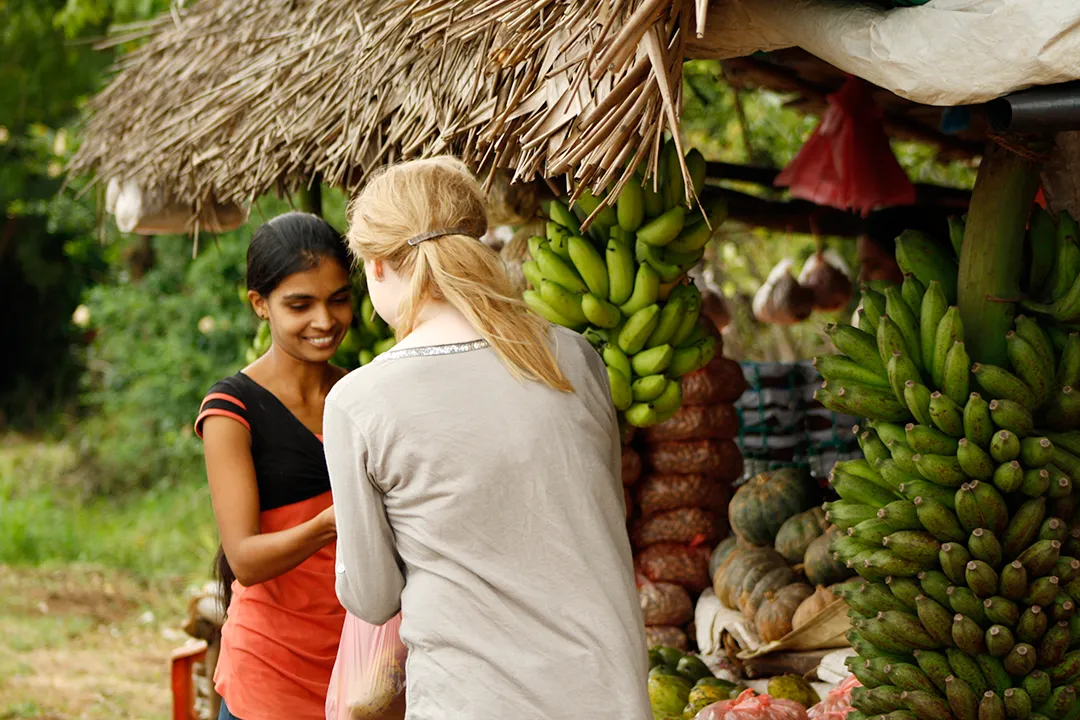
The best journeys are built through human connection — the local driver who shares stories during a long ride, the family-owned café hidden away from tourist maps, the guide who introduces travelers to a culture beyond curated itineraries.
These experiences shape how people remember a place. Yet the individuals behind them are often economically invisible.
A Different Future
Regenerative tourism challenges that imbalance. It creates systems where local communities are not treated as background scenery for tourism, but as active participants in the value created by it.
The future of travel will not be defined only by faster bookings or better algorithms. It will be defined by whether the industry can create experiences that are economically inclusive, culturally respectful, and environmentally responsible at the same time.
That is the future Raahi wants to help build.