For decades, global institutions such as the United Nations (UN) and the International Monetary Fund (IMF) have recognized tourism as far more than leisure or hospitality. Tourism has increasingly been positioned as a strategic driver of economic development, employment generation, foreign exchange, and community resilience.
But as the industry expanded globally, another reality became impossible to ignore: growth alone does not guarantee inclusion.
Millions of people working inside tourism economies — especially small experts, drivers, local guides, artisans, and independent experts — continue to operate with limited visibility, unstable income, and little access to digital infrastructure.
This is the gap Raahi aims to address.
Aligning With the UN Sustainable Development Goals
The United Nations has repeatedly emphasized that tourism should generate long-term socioeconomic benefits for communities while preserving cultural and environmental ecosystems. Several of the UN SDGs directly connect with the challenges Raahi seeks to solve.
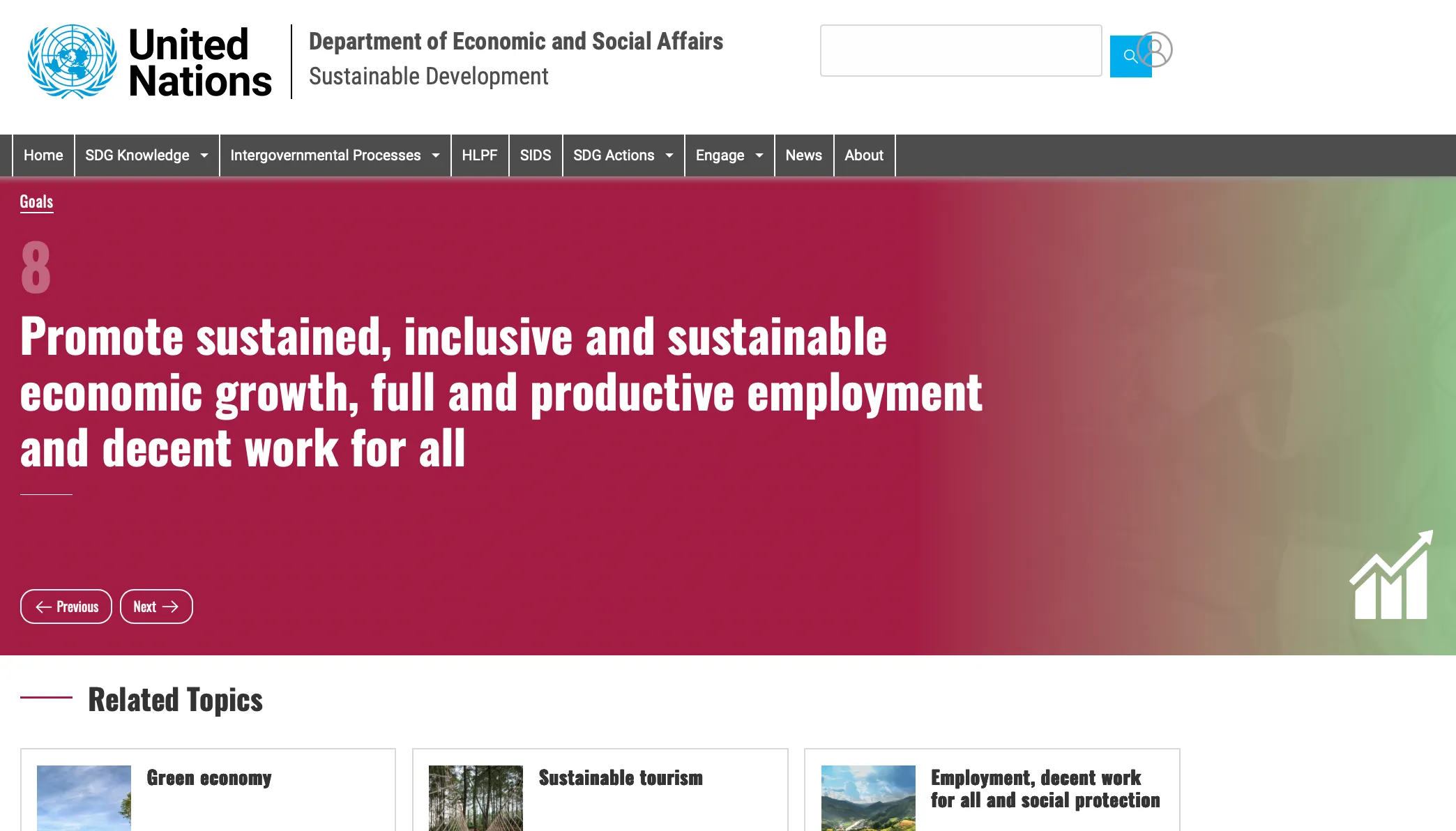
SDG 8 — Decent Work and Economic Growth: A significant portion of tourism economies around the world operates informally. Raahi aims to help independent experts become more economically resilient through direct discoverability, digital reputation systems, repeat customer access, and more transparent participation in tourism markets.
SDG 10 — Reduced Inequalities: Tourism often concentrates value among large operators while smaller local businesses struggle to compete digitally. Raahi's model is designed to reduce barriers for underserved providers, including small local experts, rural operators, women entrepreneurs, and low-visibility experts.
SDG 12 — Responsible Consumption and Production: The future of tourism cannot depend indefinitely on extractive growth models that prioritize short-term visitor volume over long-term community wellbeing. Raahi supports the broader shift toward regenerative tourism.
Economic Inclusion Beyond Transactions
The IMF has consistently highlighted tourism's role in economic resilience, employment generation, and post-crisis recovery — particularly in developing economies and Small Island Developing States.
However, macroeconomic growth statistics often overlook the fragmentation underneath them. Many tourism workers remain economically invisible despite powering the industry itself.
One of Raahi's long-term ambitions is to help formalize portions of the informal tourism economy through digital infrastructure: verified expert profiles, transaction visibility, service histories, reputation portability, and digital financial footprints.
These systems can eventually create pathways toward financial inclusion, microcredit access, insurance eligibility, and broader economic participation.
Beyond Institutional Frameworks
While global frameworks provide important direction, Raahi's philosophy extends beyond compliance with development goals or sustainability language.
The deeper question is human: what kind of tourism industry should exist in the future? One optimized purely for scale and convenience? Or one capable of creating participation, dignity, and local empowerment alongside growth?
At Raahi, the belief is that travel should not only move people across geography. It should create stronger relationships between travelers, communities, and the people whose work gives destinations their identity.
Technology alone will not solve inequality in tourism. But technology designed around inclusion can begin to redistribute visibility, opportunity, and value more fairly across the ecosystem.
That is the future Raahi aims to contribute to: a travel economy that is not only larger, but more human, more regenerative, and more equitable than the one that came before it.